
Basic Interior Design Terms Everyone Should Know
Interior design can feel like learning a new language. Designers casually throw around words like balance, negative space, or accent lighting, and if you’re not familiar with them, it’s easy to feel lost. Whether you’re redecorating your home, working with a designer, or just love beautiful spaces, understanding basic interior design terms helps you make smarter, more confident choices.
Let’s break down the most common interior design terms—no design degree required.
1. Space
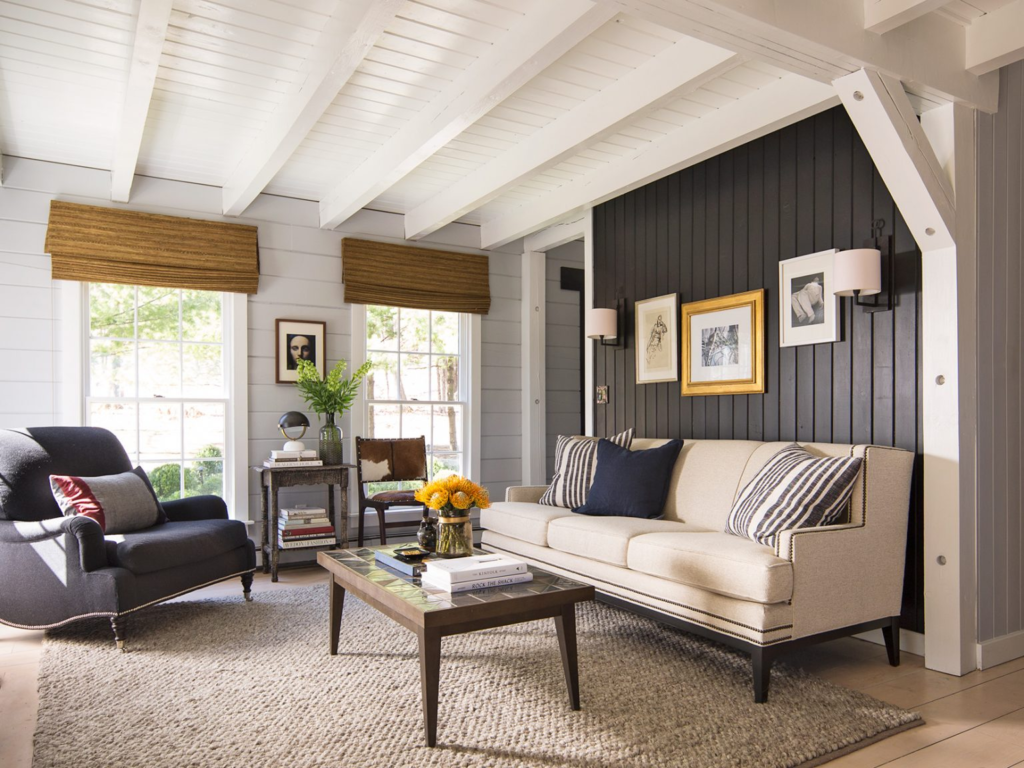
Space refers to the physical area within a room. Designers think of space in two ways:
- Positive space: Areas filled with furniture, décor, or architectural features.
- Negative space: Empty or open areas that give the eye room to breathe.
A well-designed room balances both. Too much furniture makes a space feel cramped, while too much empty space can feel cold or unfinished.
2. Balance
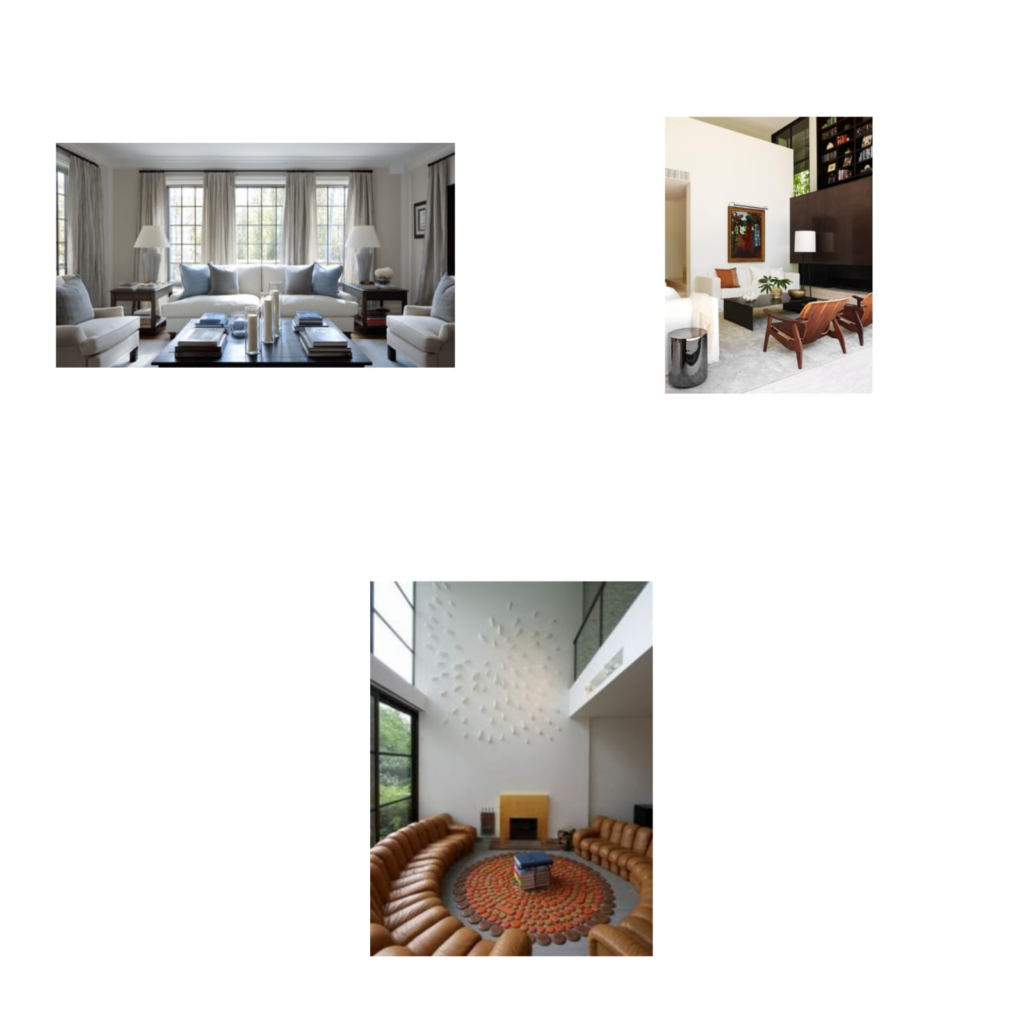
Balance is about visual stability. It ensures that a room doesn’t feel lopsided or uncomfortable to look at. There are three main types:
- Symmetrical balance: Identical items placed evenly (think matching sofas or bedside tables).
- Asymmetrical balance: Different items with similar visual weight.
- Radial balance: Objects arranged around a central point, like chairs around a dining table.
3. Proportion and Scale
These two often go hand in hand.
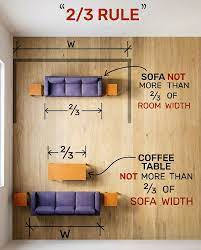
- Scale refers to the size of an object in relation to the room.
- Proportion refers to how objects relate to each other.
For example, a large sectional sofa might look great in a spacious living room but overwhelm a small apartment.
4. Focal Point
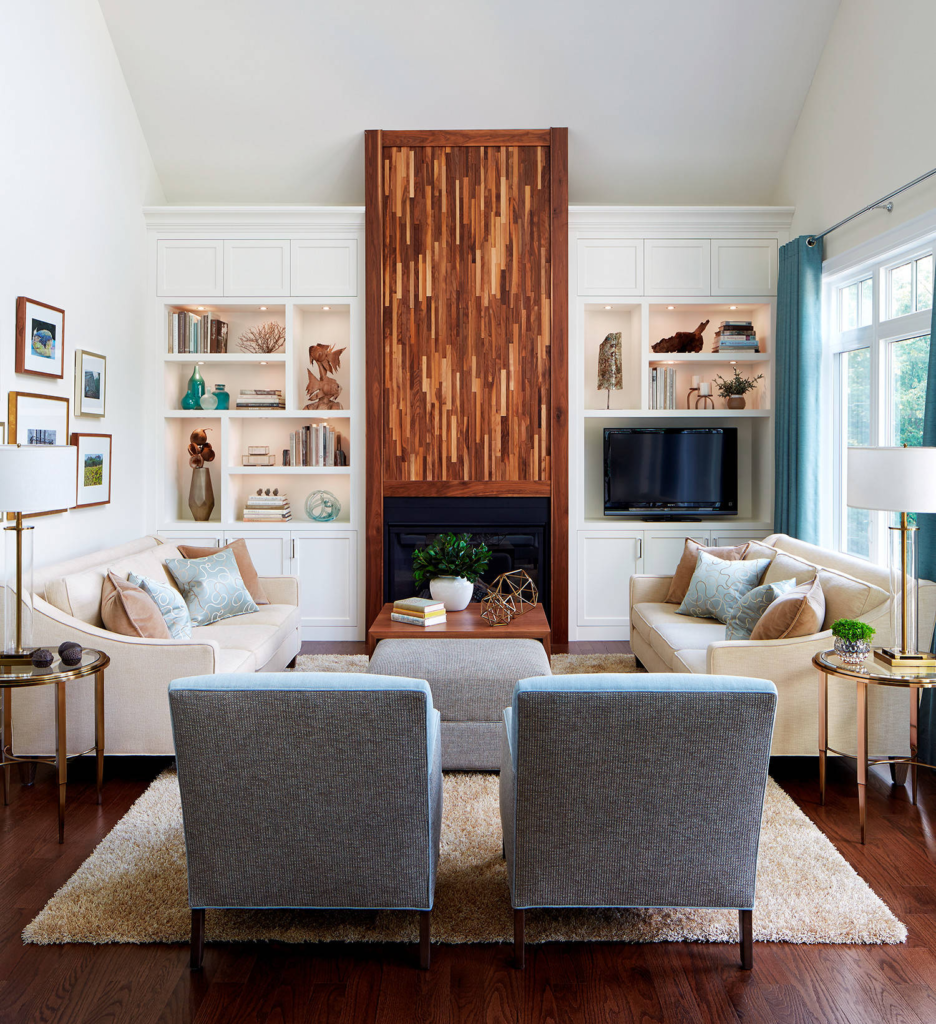
A focal point is the first thing your eye is drawn to when you enter a room. It could be:
- A fireplace
- A statement wall
- A large piece of artwork
- A dramatic light fixture
Designers often build the rest of the room around this key element.
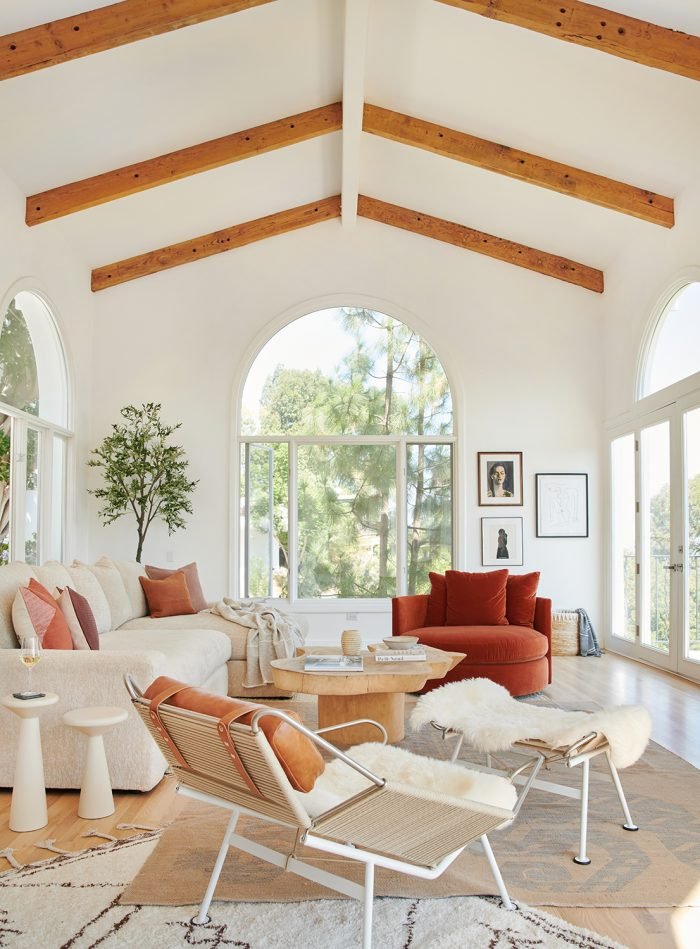
5. Harmony and Unity
Harmony ensures all elements in a room feel like they belong together. This is achieved through consistent colors, materials, and styles. Unity doesn’t mean everything matches—it means everything works together.
6. Contrast
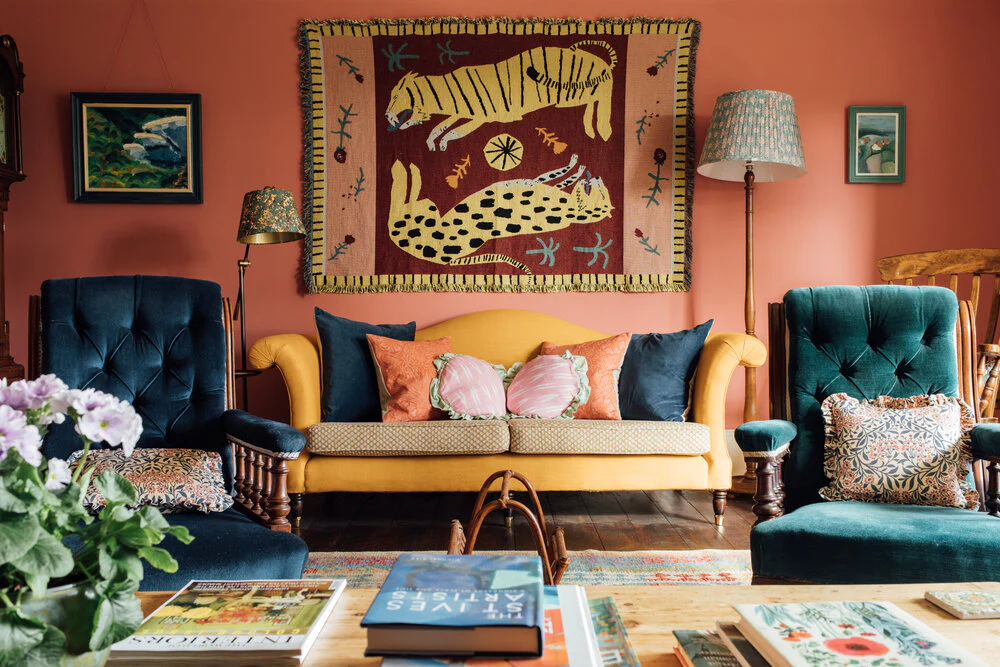
Contrast adds interest and depth to a space. It can be created through:
- Light vs. dark colors
- Smooth vs. rough textures
- Modern vs. traditional elements
Without contrast, a room can feel flat or boring.
7. Texture
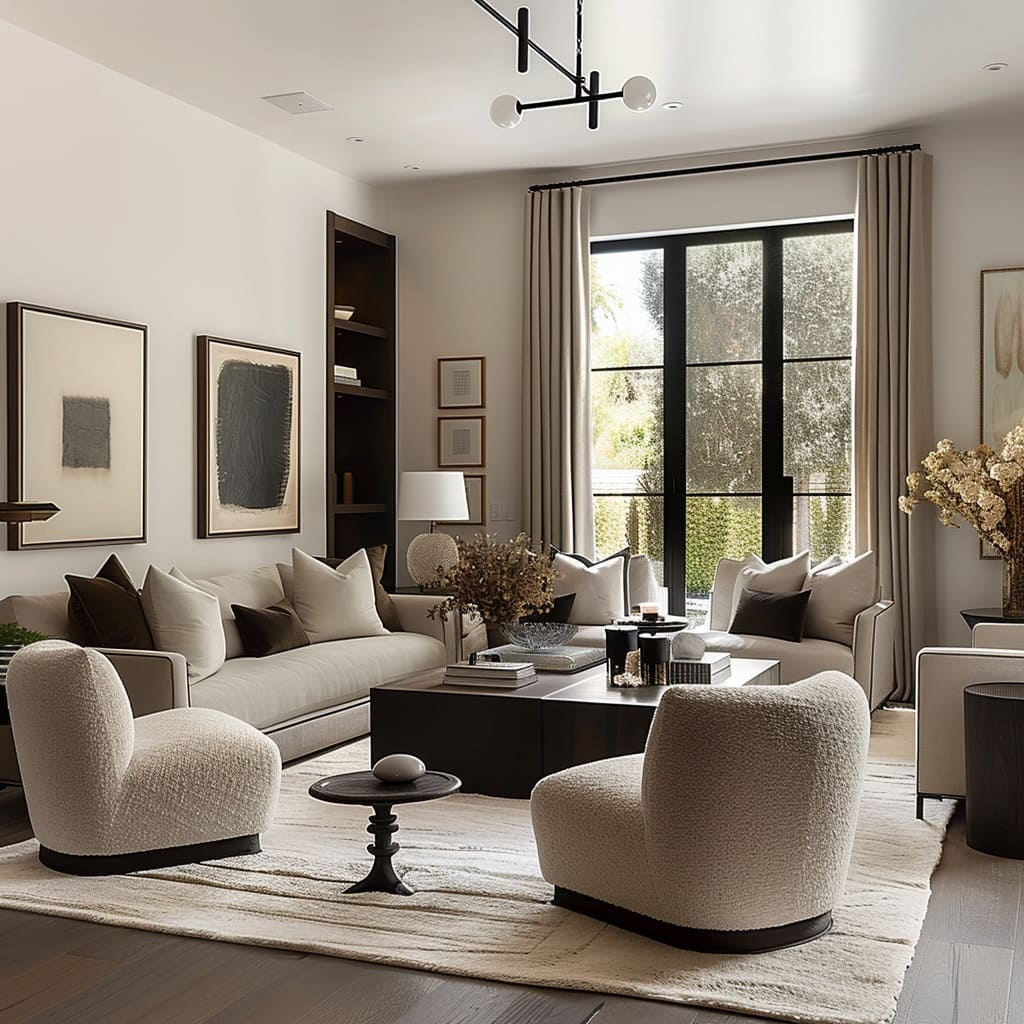
Texture refers to how a surface feels—or looks like it feels. Examples include:
- Soft fabrics like velvet or linen
- Hard surfaces like glass or metal
- Natural textures like wood, stone, or jute
Mixing textures makes a space feel layered and inviting.
8. Color Palette
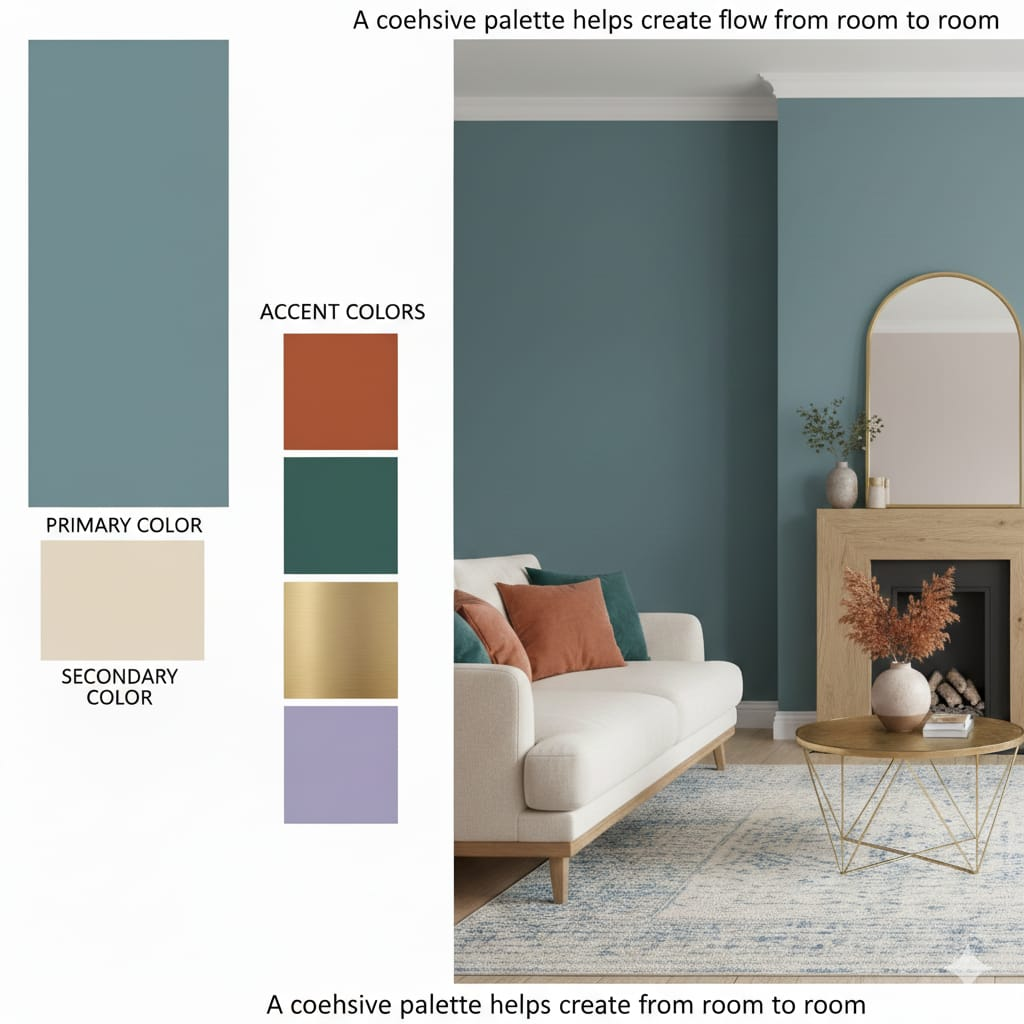
A color palette is the group of colors used throughout a space. It usually includes:
- A primary color
- One or two secondary colors
- Accent colors for highlights
A cohesive palette helps create flow from room to room.
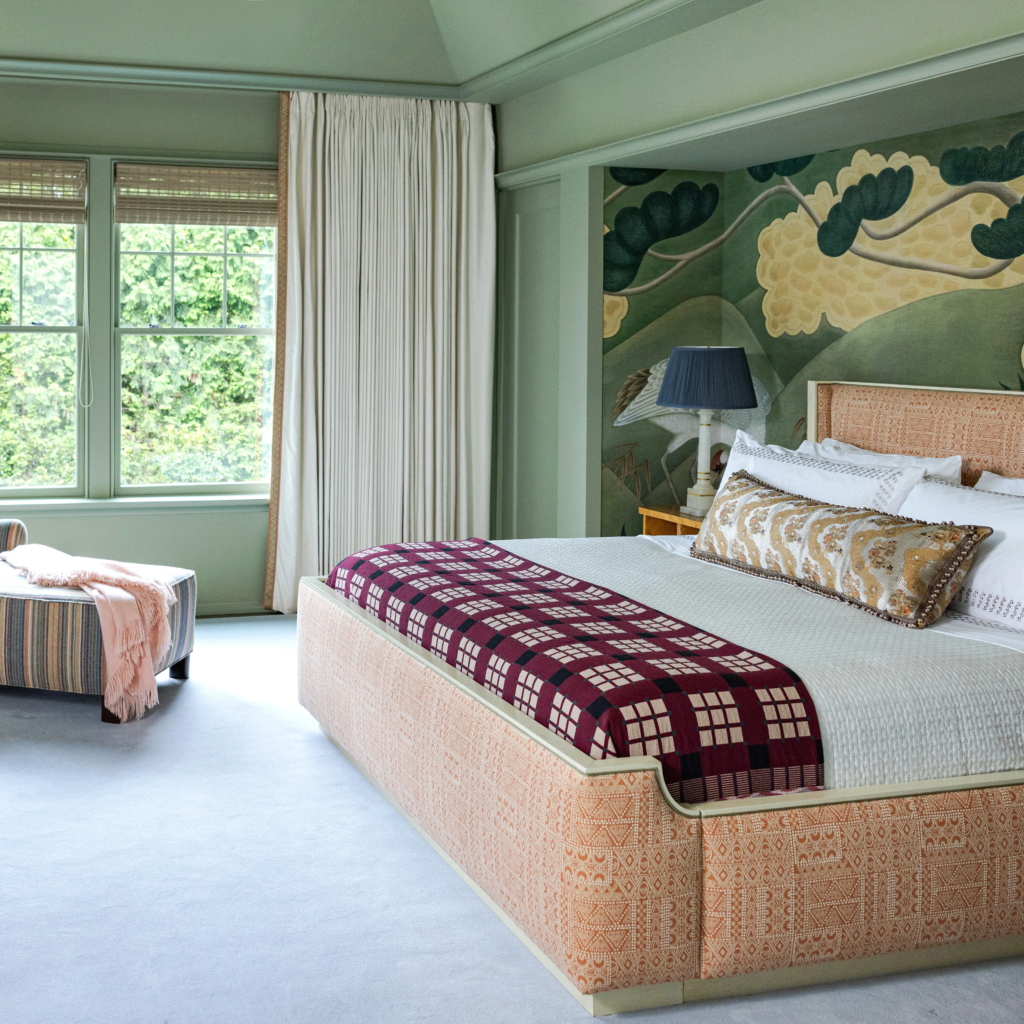
9. Accent
An accent is a bold or standout element used to add personality. This could be:
- An accent wall
- Bright cushions
- A colorful chair or rug
Accents keep a space from feeling too safe or predictable.
10. Lighting
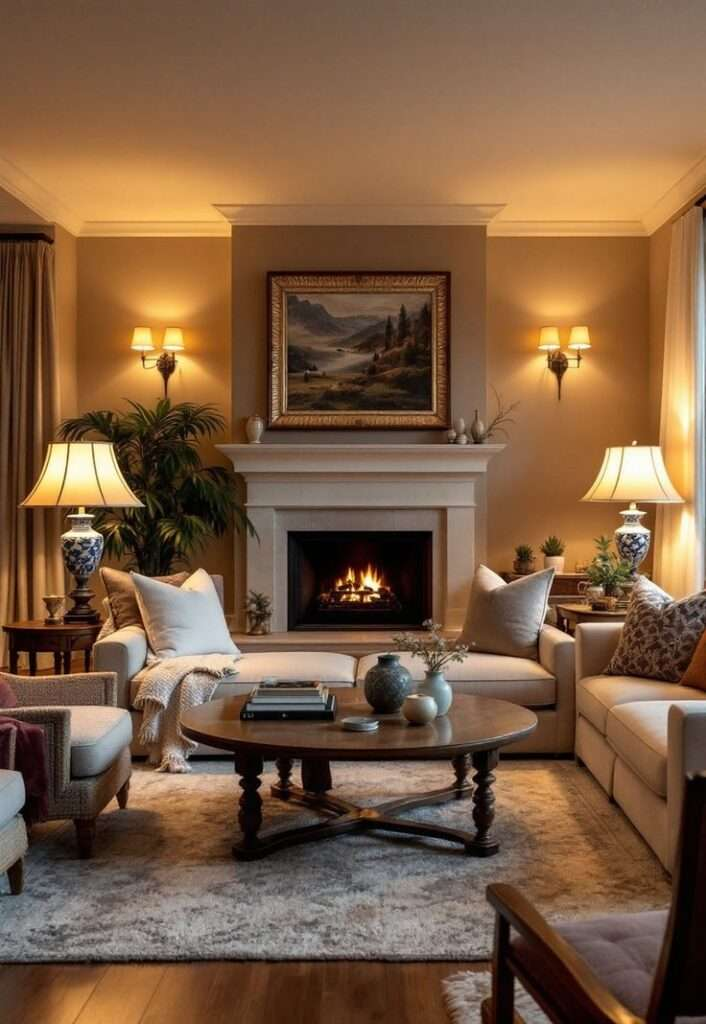
Lighting is one of the most important design elements and is usually layered:
- Ambient lighting: General lighting (ceiling lights)
- Task lighting: Functional lighting (desk lamps, under-cabinet lights)
- Accent lighting: Decorative or highlight lighting (spotlights, wall sconces)
Good lighting can completely change how a room feels.
11. Mood Board
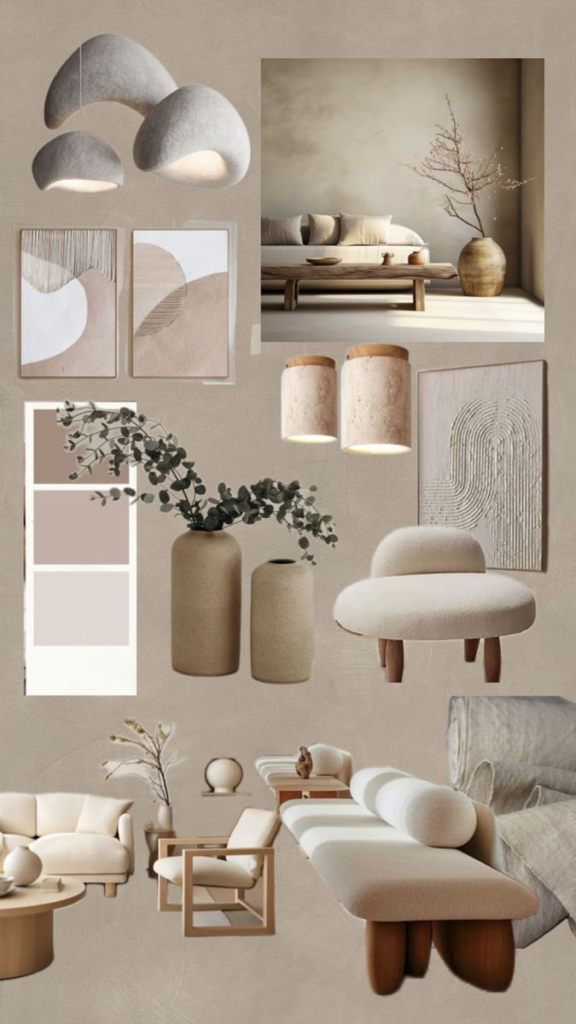
A mood board is a visual tool designers use to plan a space. It includes colors, fabrics, furniture styles, and inspiration images to show the overall look and feel before any work begins.
12. Open Plan
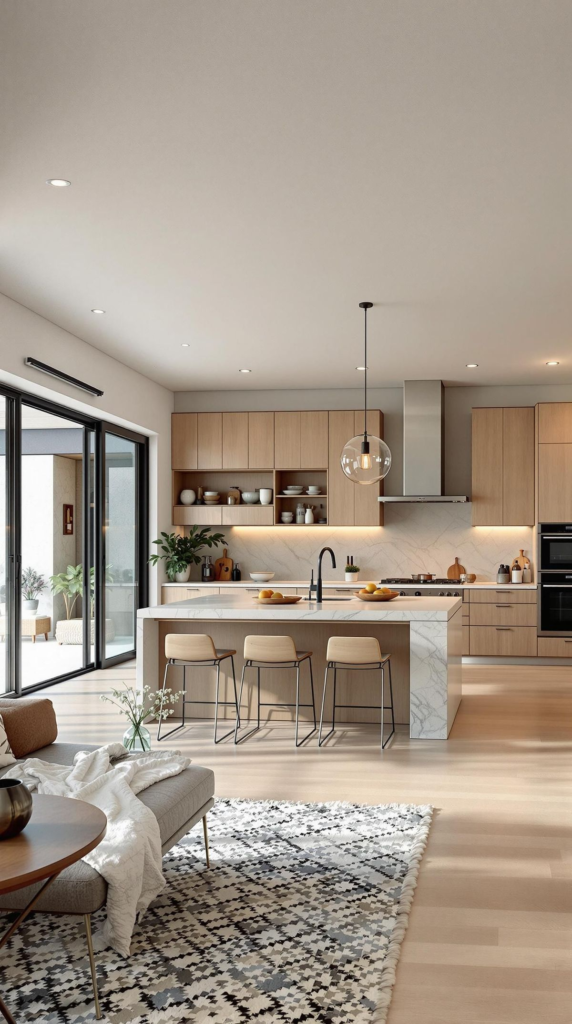
An open-plan layout removes walls between major living spaces like the kitchen, dining, and living room. This design encourages natural light, better flow, and a sense of spaciousness.
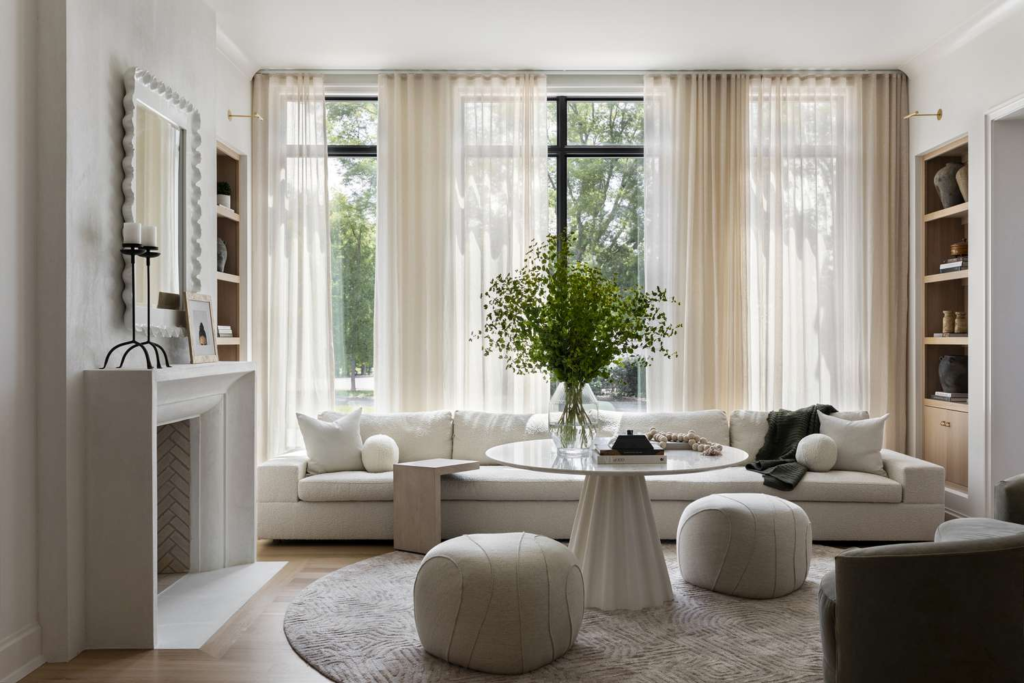
13. Minimalist
Minimalist design focuses on simplicity, clean lines, and functionality. It follows the “less is more” approach, using fewer items but choosing them carefully.
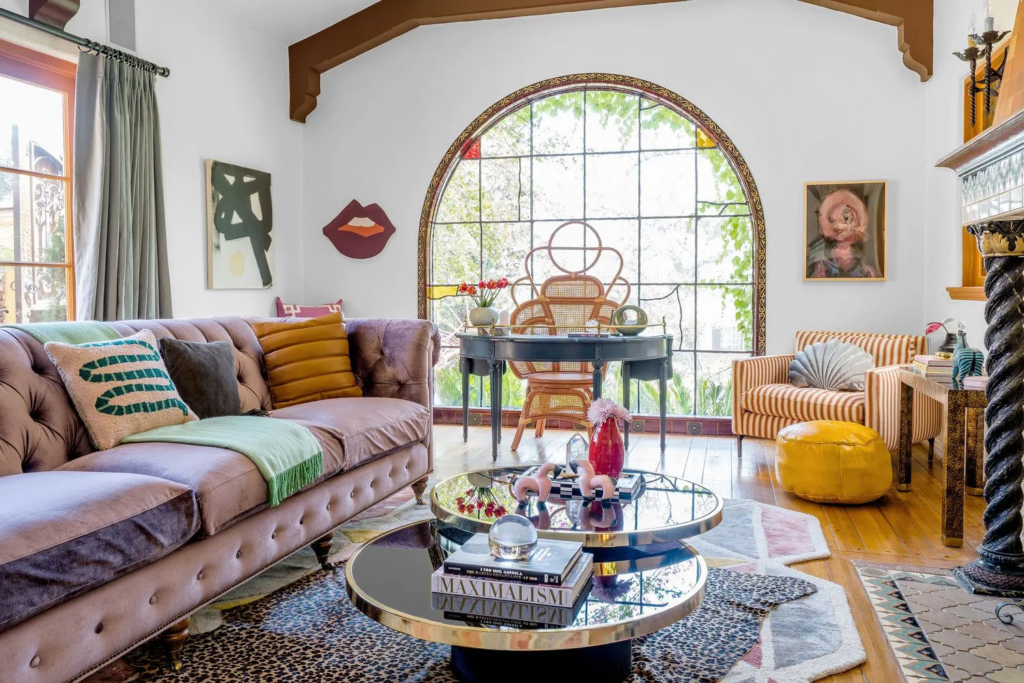
14. Eclectic
Eclectic design mixes styles, periods, and textures in a curated way. The key is balance—while items may be different, they still feel connected through color, scale, or mood.
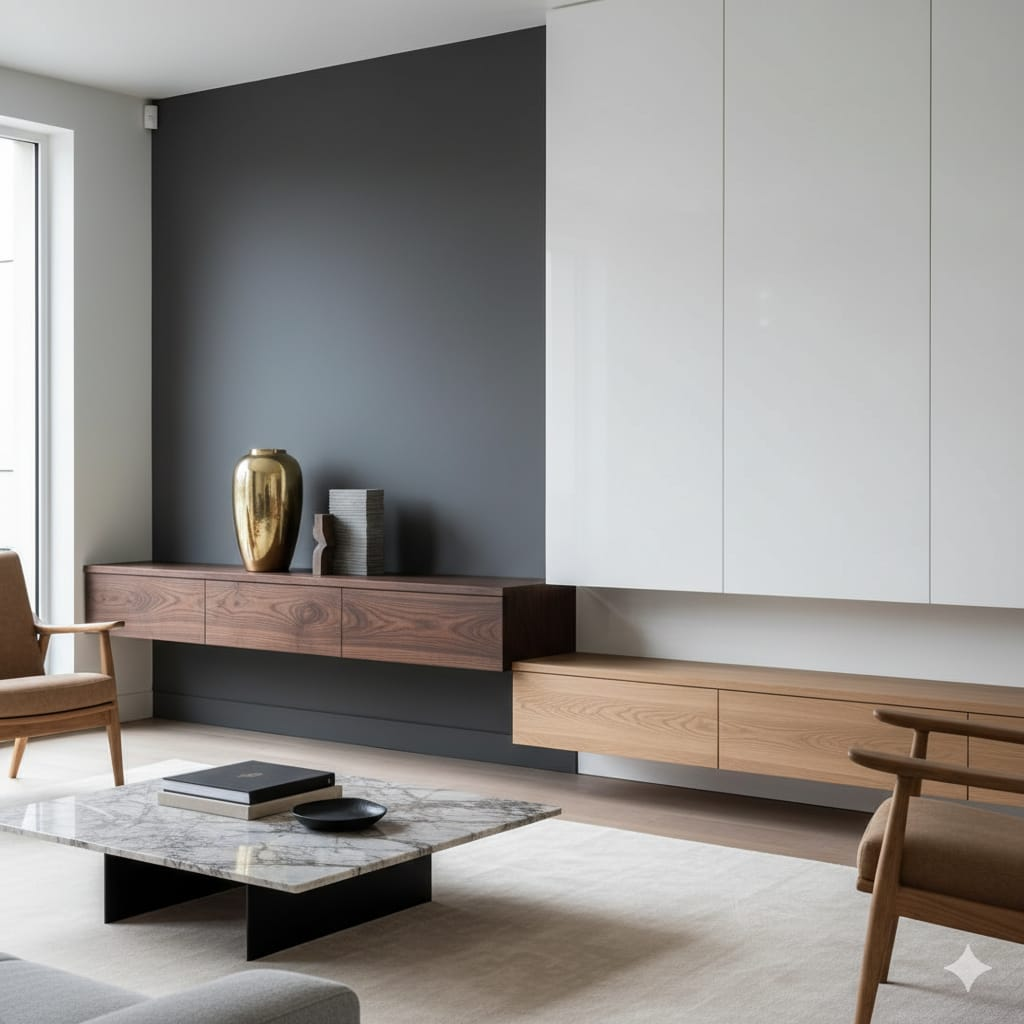
15. Finishes
Finishes refer to the surface treatments on furniture and materials, such as:
- Matte or glossy paint
- Polished or brushed metal
- Natural or stained wood
Finishes impact both the look and durability of a space.
Final Thoughts
Knowing these basic interior design terms helps you communicate your ideas clearly, avoid costly mistakes, and better understand design advice. Whether you’re styling one room or an entire home, a little design knowledge goes a long way.
Great design isn’t about following rules—it’s about understanding them so you can break them confidently.