
Traditional Indian Interior Design: A Timeless Blend of Culture, Craft, and Comfort
Traditional Indian interior design is a celebration of heritage, craftsmanship, and vibrant living. Rooted in centuries-old customs, it reflects India’s diverse regions, climates, and cultures. From intricately carved wooden furniture to colorful textiles and sacred spatial planning principles, this design style creates spaces that feel warm, soulful, and deeply connected to tradition.
Whether you’re restoring a heritage home or simply adding ethnic charm to a modern apartment, traditional Indian interiors offer endless inspiration.
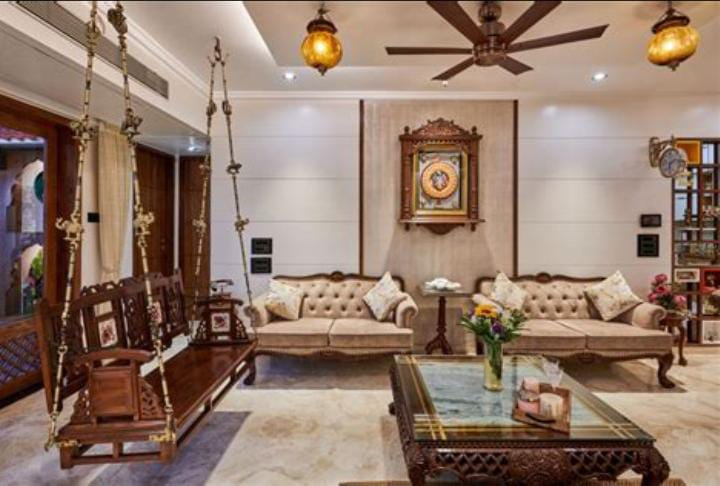
1. The Foundation: Vastu Shastra
At the heart of many traditional Indian homes lies Vastu Shastra — the ancient Indian science of architecture and spatial arrangement. Vastu emphasizes balance between natural elements (earth, water, fire, air, and space) to promote harmony, prosperity, and well-being.
Key Vastu-inspired features include:
- Entrance facing auspicious directions
- Central open courtyard (Brahmasthan)
- Dedicated prayer room or pooja space
- Proper placement of kitchen and bedrooms
While modern homes may not follow Vastu strictly, many still incorporate its core principles for positive energy flow.

2. Rich Materials and Natural Textures
Traditional Indian interiors rely heavily on natural, locally sourced materials:
- Solid wood (teak, rosewood, sheesham) for doors and furniture
- Stone and marble flooring
- Terracotta tiles
- Brass and copper accents
- Hand-carved wooden panels
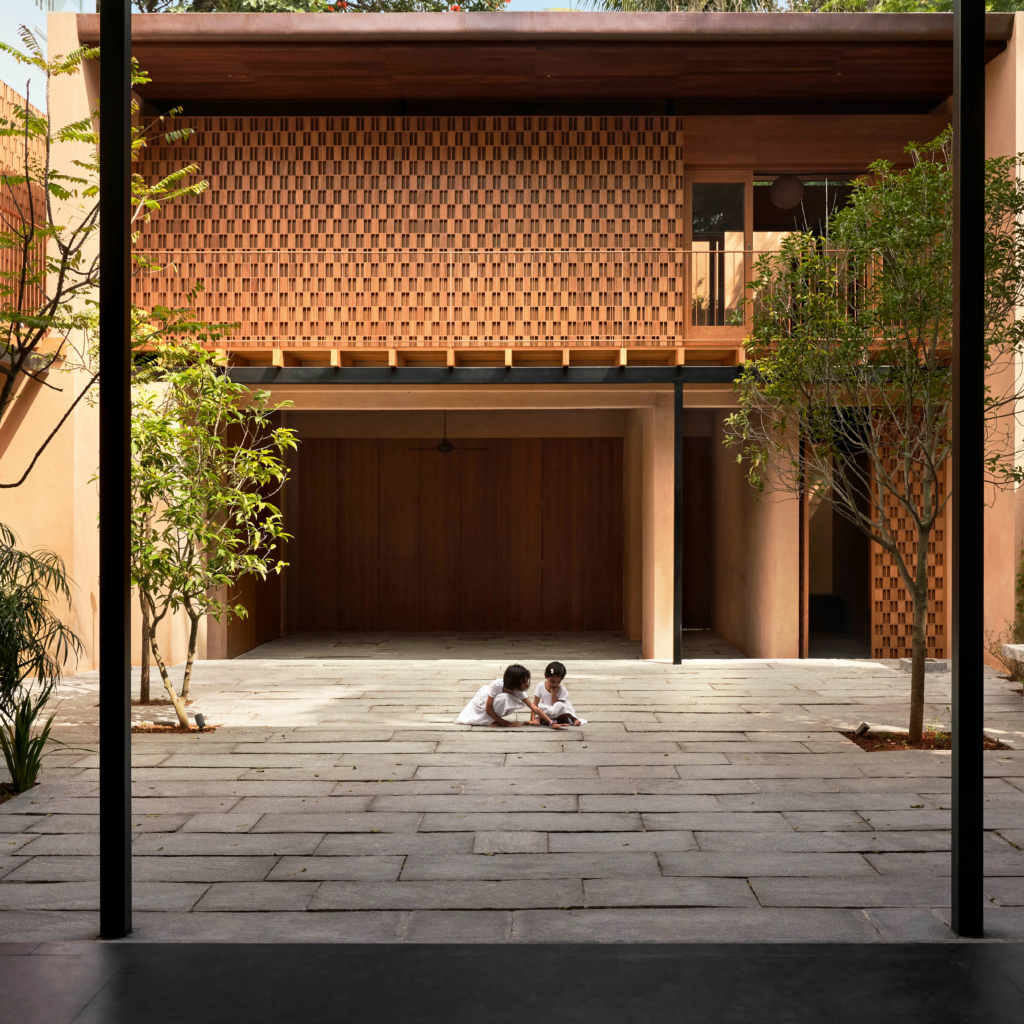
Furniture often features ornate carvings, turned legs, and detailed jali (lattice) work that adds both elegance and ventilation.
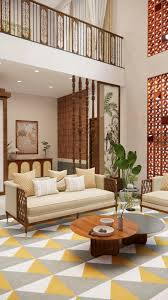
3. Vibrant Color Palettes
Indian homes are known for bold, expressive colors inspired by festivals, nature, and spirituality.
Common shades include:
- Deep reds and maroons
- Royal blues
- Mustard yellows
- Emerald greens
- Saffron and turmeric tones
These hues are often balanced with neutral backgrounds like beige, cream, or earthy browns to maintain harmony.
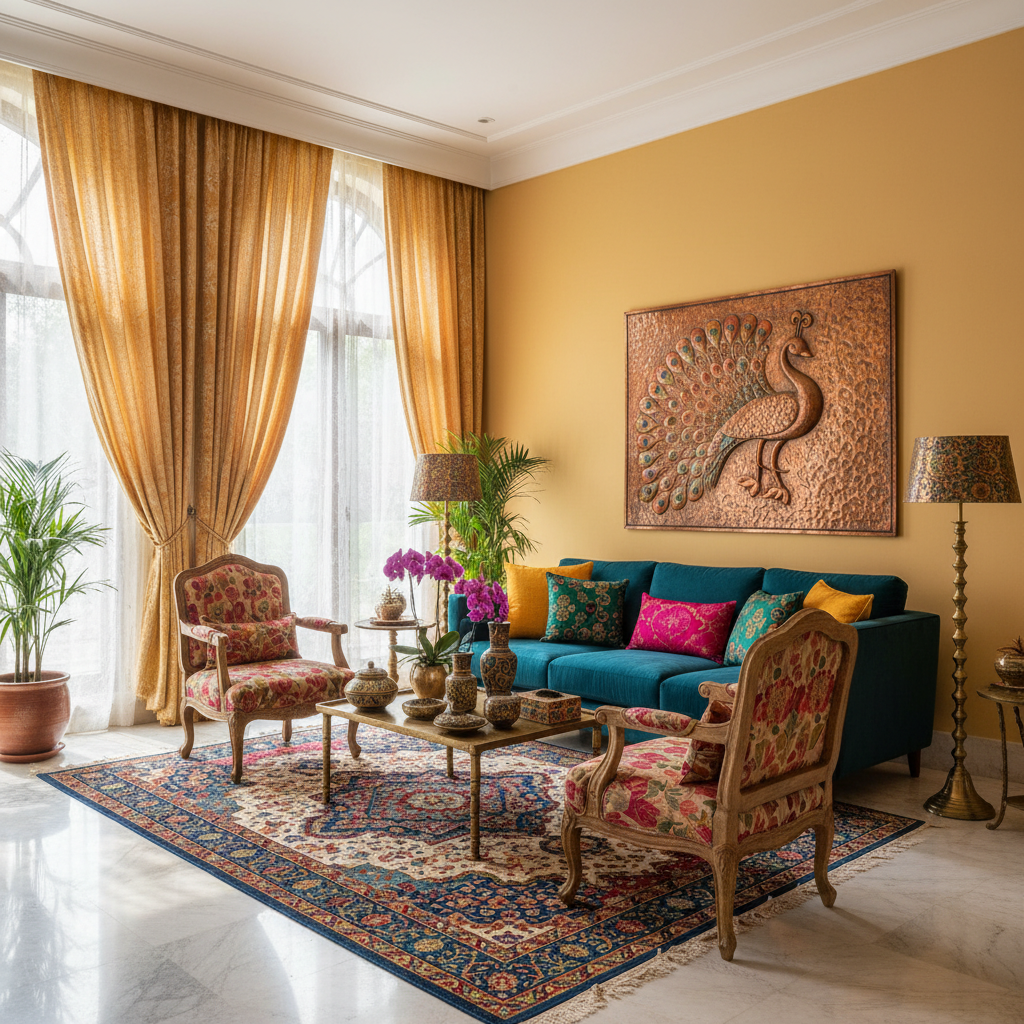
4. Textiles: The Soul of Indian Decor
Textiles play a defining role in traditional Indian design. Handwoven and embroidered fabrics add depth and personality to interiors.
Popular textile traditions include:
- Kashmir – Known for intricate wool embroidery and carpets
- Rajasthan – Famous for block prints and vibrant mirror work
- Gujarat – Renowned for Bandhani tie-dye and colorful crafts
From embroidered cushion covers to silk curtains and dhurrie rugs, textiles bring warmth and authenticity to living spaces.
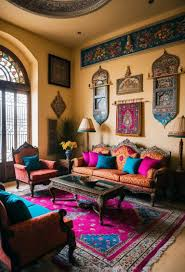
5. Statement Furniture and Heirloom Pieces
Traditional Indian furniture is sturdy, artistic, and often handcrafted. Key elements include:
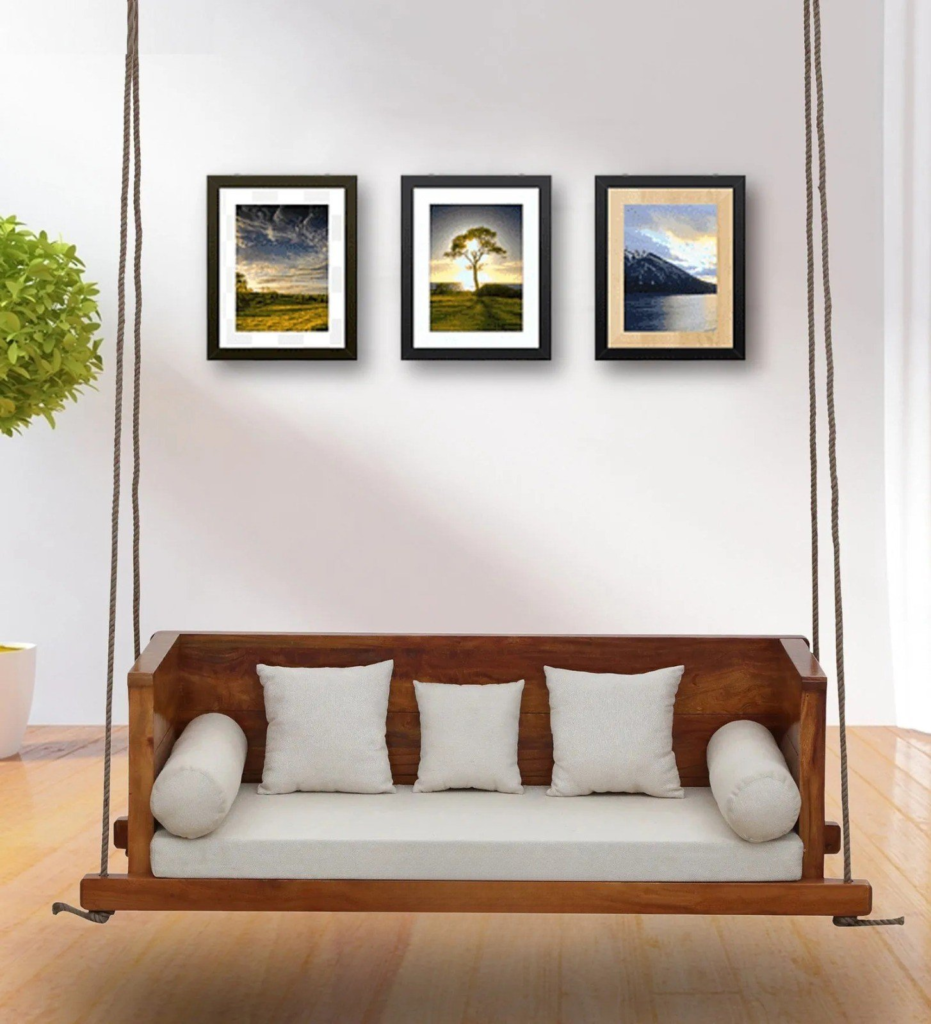
- Low wooden diwans with bolsters
- Swing seats (jhoola) in living rooms
- Ornate four-poster beds
- Antique wooden chests
- Carved temple doors
Many homes incorporate heirloom pieces passed down generations, adding sentimental and historical value.
6. Decorative Elements and Accessories
Accessories in traditional Indian homes are carefully curated and symbolic.
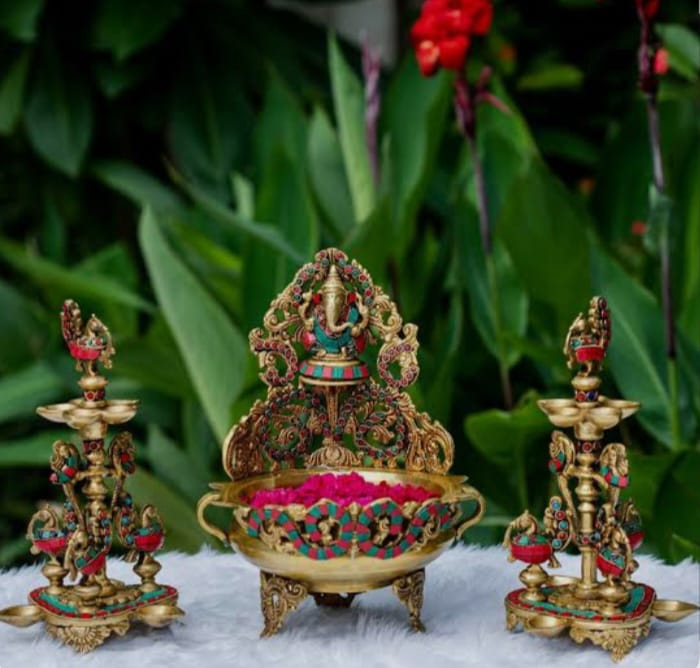
Common décor accents:
- Brass lamps and diyas
- Handcrafted idols and sculptures
- Framed mythological artwork
- Hand-painted ceramics
- Intricately designed mirrors
Wall niches, arches, and carved partitions further enhance the architectural richness of the space.
7. The Spiritual Corner: Pooja Room Design
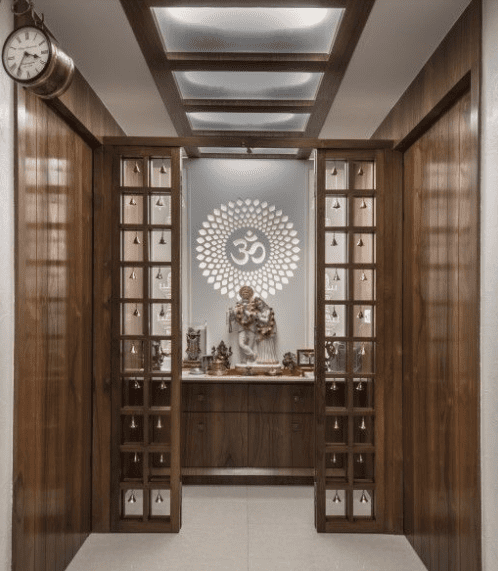
A sacred prayer area is central to many Indian homes. Traditionally placed according to Vastu principles, pooja rooms often feature:
- Marble or wooden mandirs
- Brass bells and oil lamps
- Floral garlands
- Sacred symbols and scriptures
This space serves not only religious purposes but also acts as a calming retreat within the home.
8. Courtyards and Open Spaces
In traditional Indian architecture, homes were designed around open courtyards to promote ventilation and natural light. These spaces served as gathering areas for families and reflected climate-sensitive design long before sustainability became a trend.
Even in modern homes, you can recreate this essence with:
- Indoor plants
- Skylights
- Open layouts
- Natural ventilation strategies
9. Blending Traditional with Modern
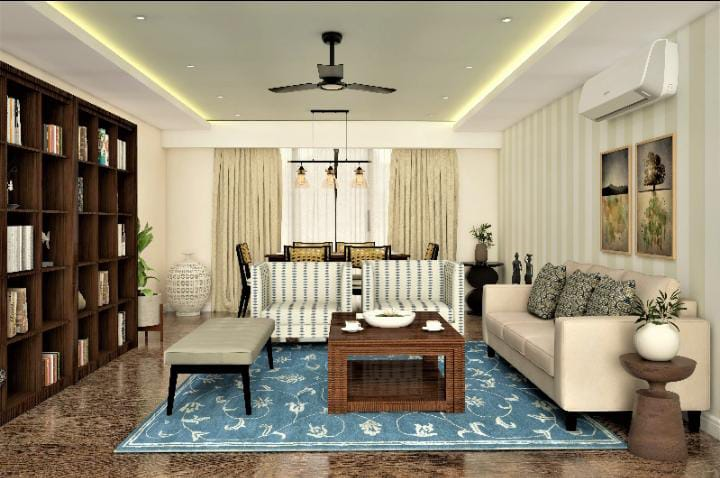
Today’s homeowners often embrace a fusion approach — combining traditional Indian elements with contemporary design. A carved wooden console against a minimalist wall, or a vibrant silk runner in a modern dining room, can create a balanced and timeless aesthetic.
This blend preserves cultural roots while adapting to modern lifestyles.
Why Choose Traditional Indian Interior Design?
Traditional Indian interiors offer:
- Timeless elegance
- Cultural authenticity
- Sustainable materials
- Warm, welcoming spaces
- Strong emotional and spiritual connection
In a fast-paced world, this design style brings comfort, identity, and a sense of belonging.
Final Thoughts
Traditional Indian interior design is more than a style — it is a reflection of history, craftsmanship, and soulful living. By incorporating natural materials, vibrant colors, intricate details, and spiritual harmony, you can create a home that feels both luxurious and deeply personal.
Whether you adopt it fully or blend it with modern elements, this timeless aesthetic will always remain relevant, meaningful, and beautifully Indian.